World Heritage sites are special places that have been set aside to be protected. These sites are cultural treasures and important natural features on Earth that are of outstanding universal value to humanity and as such, have been inscribed on the World Heritage List to be protected for future generations to appreciate and enjoy. In Malawi we have two sites so far. The Malawi government is working on having Mount Mulanje as the third site locally.
Heritage Sites in Malawi
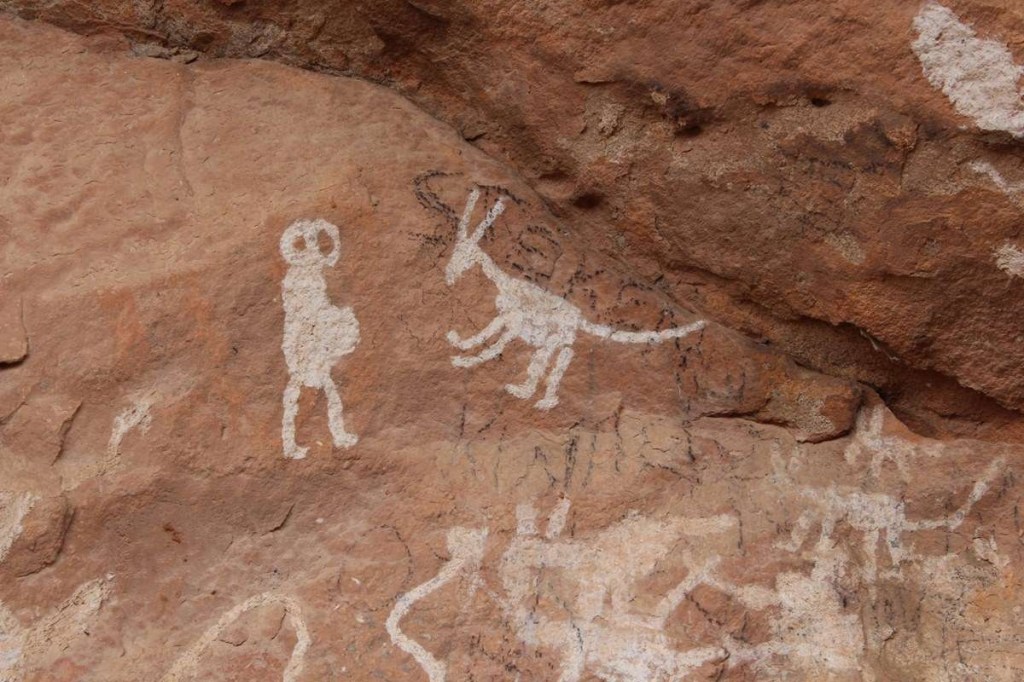
Chongoni rock Art Site in Dedza. Which charts the history of early settler’s. Was designated a world heritage site in 1996 by unesco.
Situated within a cluster of forested granite hills and covering an area of 126.4 km2, high up the plateau of central Malawi, the 127 sites of this property feature the richest concentration of rock art in Central Africa. They reflect the comparatively scarce tradition of farmer rock art, as well as paintings by BaTwa hunter-gatherers who inhabited the area from the Late Stone Age. The Chewa agriculturalists, whose ancestors lived there from the Early Iron Age, practiced rock painting until well into the 20th century. The symbols in the rock art, which are strongly associated with women, still have cultural relevance amongst the Chewa, and the sites are actively associated with ceremonies and rituals.
The rock art of the Chongoni sites records the cultural history and traditions of the peoples of the Malawi plateau: the transition from a foraging lifestyle to food production, the subsequent Ngoni invasion of the Chewa people, and the coming of the white man. The paintings also depict symbols significant during initiation ceremonies and ritual practices. As a centre of traditional and religious ceremonies, the rock art area encapsulates living cultural traditions. The area’s topography of rock overhangs amongst wooded slopes and grassy clearings provides a protective setting that is integral to the outstanding universal value of the rock art sites.
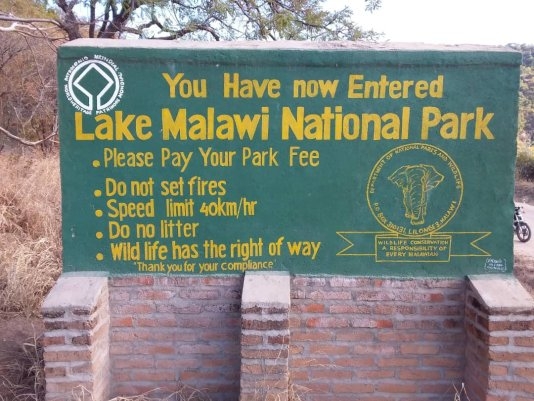
Lake Malawi national park was designated as a world heritage site in 1984. It’s the smallest national park in Malawi. It is the first established freshwater, underwater national park in Africa. The diversity of the lake’s native fish species is unparallel in the world, with over 400 documented species of cichlids of which are endemic. The park has its centre on the Nankumba Peninsula & contains a total of 13 islands.
This status protects the diversity of endemic fish as well as the aquatic habitat. Although the Lake covers one-third of the country, the National Park is only 94km2 including a land area around the cape, some islands, and of course, the lake up to 100 meters offshore. Lake Malawi National Park is located in the South of the lake near Cape Maclear.
Sources: Visit Malawi & Unesco.

 suzgo chingati
1 Comment