Museum’s in Malawi are institutions dedicated to preserving and interpreting tangible evidence of humankind and the environment. Museums differ from libraries because they house unique items that serve as raw material for study and research. They serve various purposes, such as recreation, scholarly pursuits, education, tourism, promoting civic pride, or conveying ideological concepts. Despite their diversity, museums share the common goal of preserving and interpreting material aspects of society’s cultural consciousness.
Museums have evolved from private collections to public institutions that promote industrial design and scientific advancement. They are classified based on funding, collections, or specialization, with general museums holding diverse collections and specialized museums focusing on specific subjects.
Below are the different museum’s in Malawi:
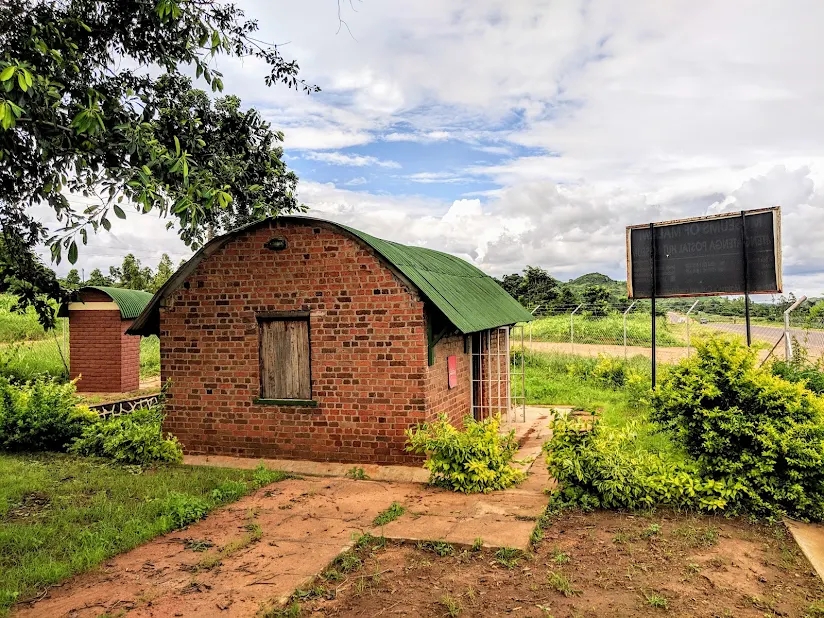
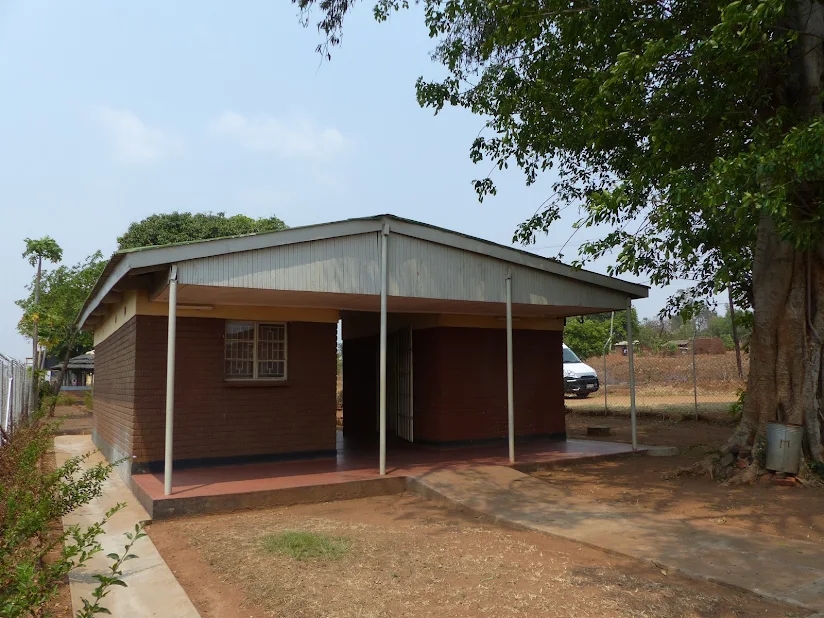
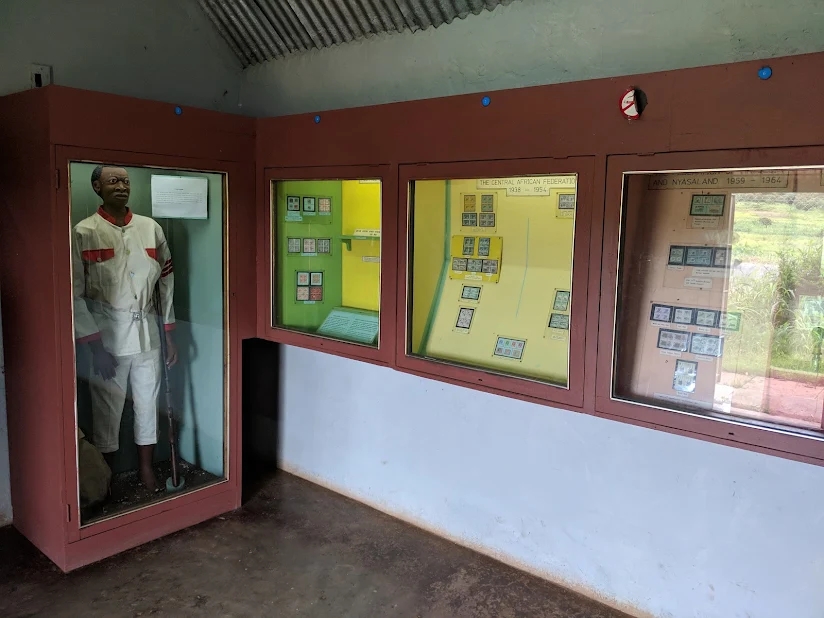
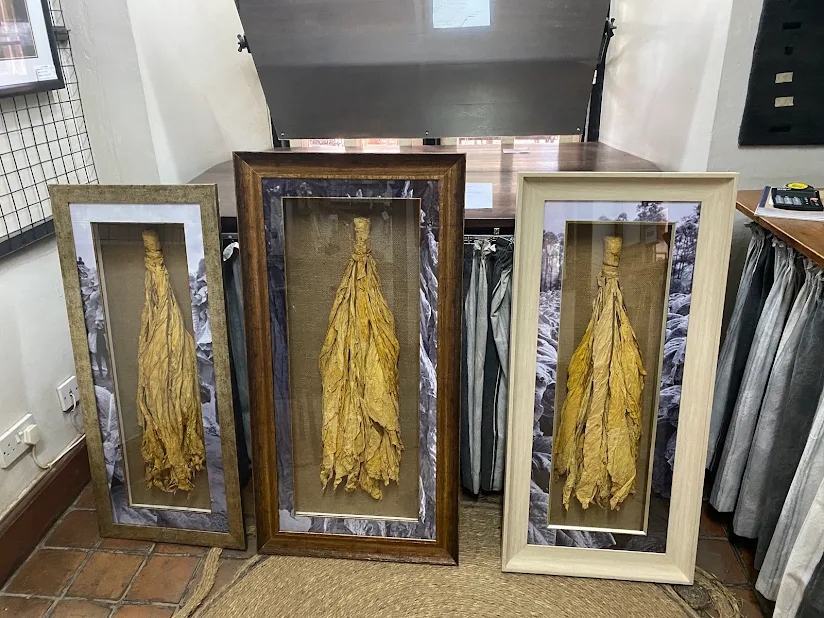
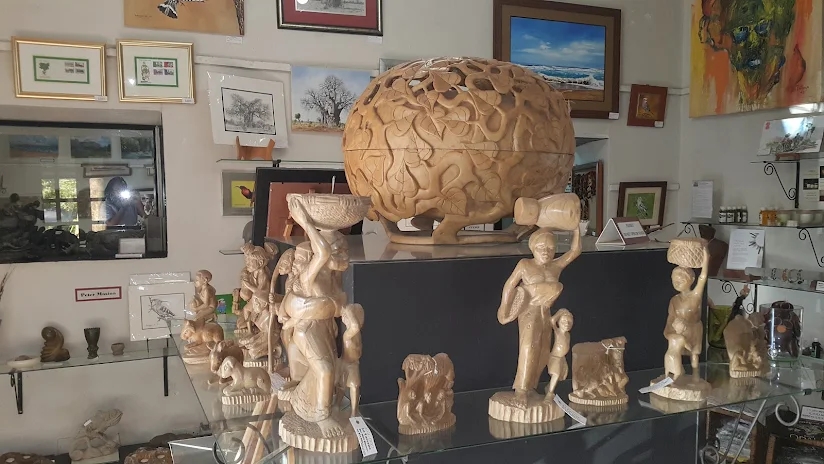
Mtengatenga Postal Museum
The Mtengatenga Postal Museum is a historic postal station located on the road between Blantyre and Zomba, Malawi. It served as a key point for mail and parcel delivery in the past and has been restored to serve as a museum. The Mtenga-tenga Postal Museum is a must for philatelists, and art lovers

Mandala Museum
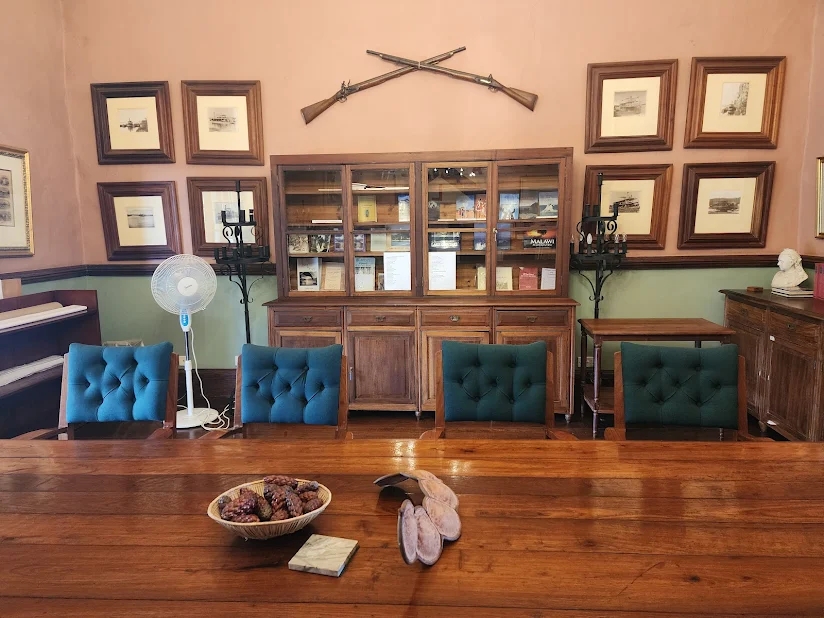
which is Located within the historic Mandala House in Blantyre was the second museum to be established.
The Mandala Museum is tied to Malawi’s oldest European structure, built in 1882. Originally serving as a residence and office for the African Lakes Corporation, the building was transformed into a museum showcasing the history of commerce, missionary activity, and early European-African interactions in Malawi. The museum also houses a collection of photographs and artifacts documenting life in the colonial era.

Cultural and Museum Centre Karonga
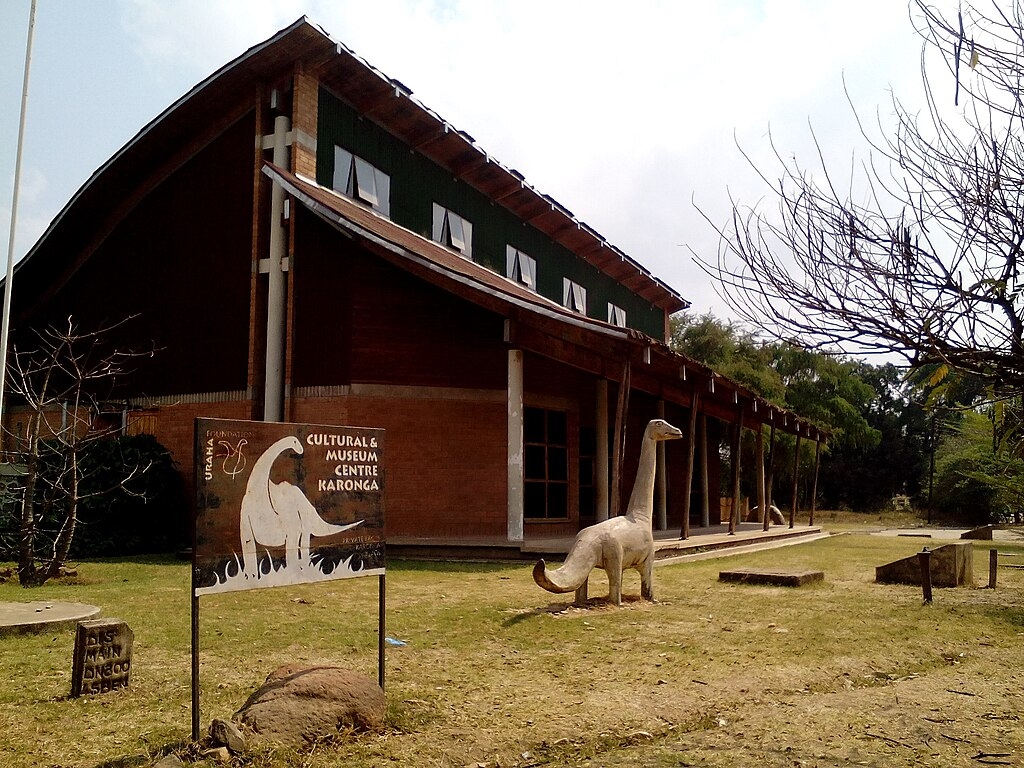
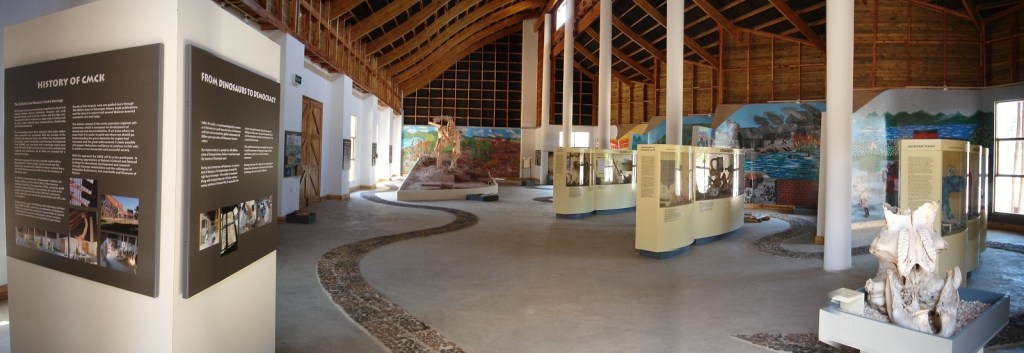
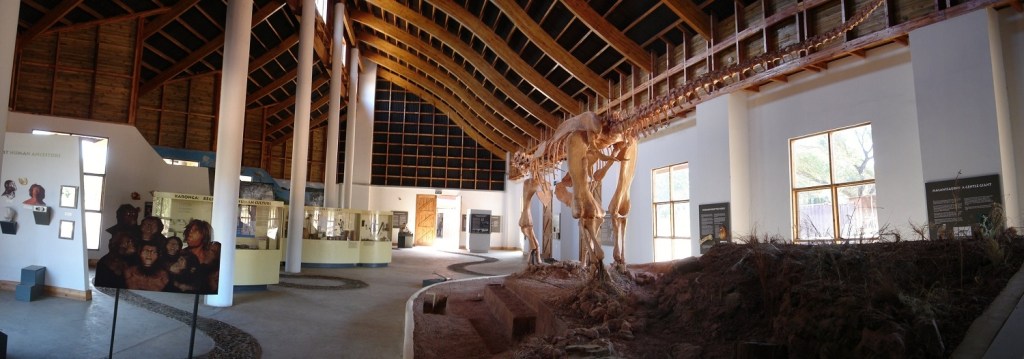
Cultural and Museum Centre Karonga (CMCK) which is located in the northern town of Karonga, was opened in 2004, featuring both natural and human history exhibits.
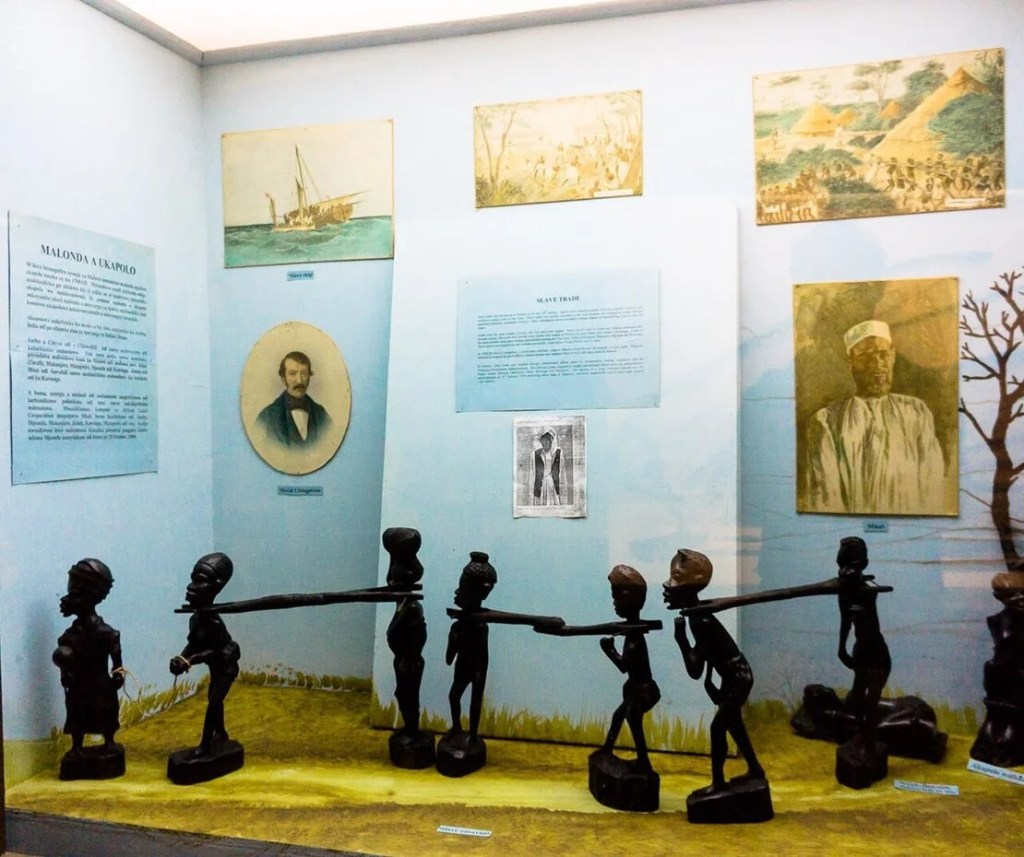
Among its most famous collections is the Malawisaurus fossil, which connects the region to its prehistoric past. The museum also explores themes such as the slave trade, making it a significant center for education and cultural dialogue.

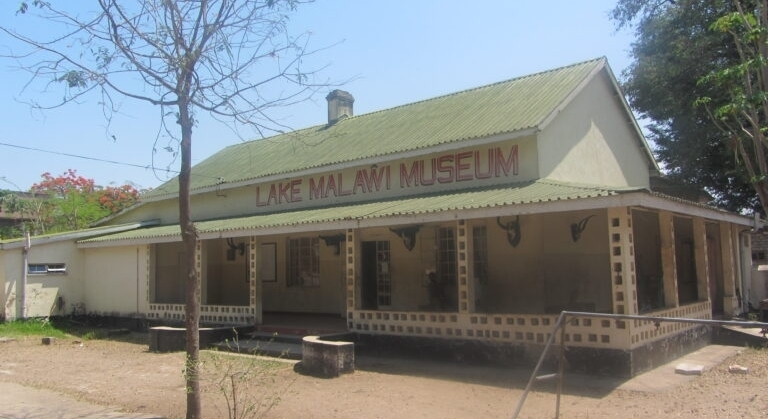
The Lake Malawi Museum
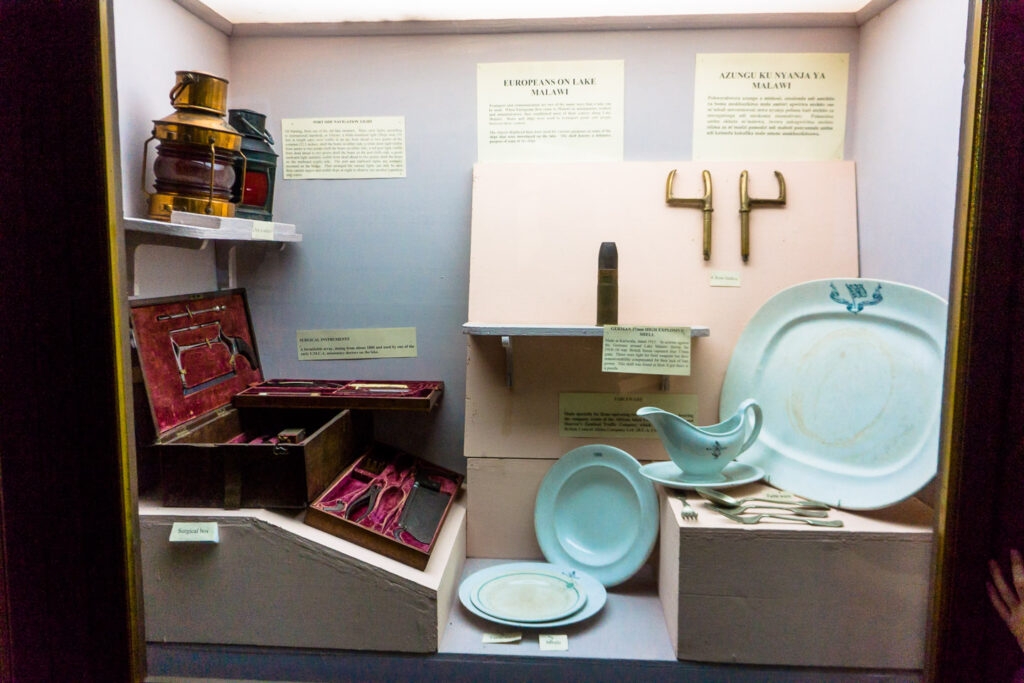
The Lake Malawi Museum is more than just a building; it’s a journey through time. As you step into the museum, you are greeted by exhibits that tell the story of the people of Lake Malawi, from the Stone Age to the present. The museum’s diverse collection includes artifacts from the Iron Age, traditional musical instruments, and a detailed history of the Yao people. It also showcases the rich biodiversity of the area, with exhibits on lake birds, mammals, and an impressive crocodile display.
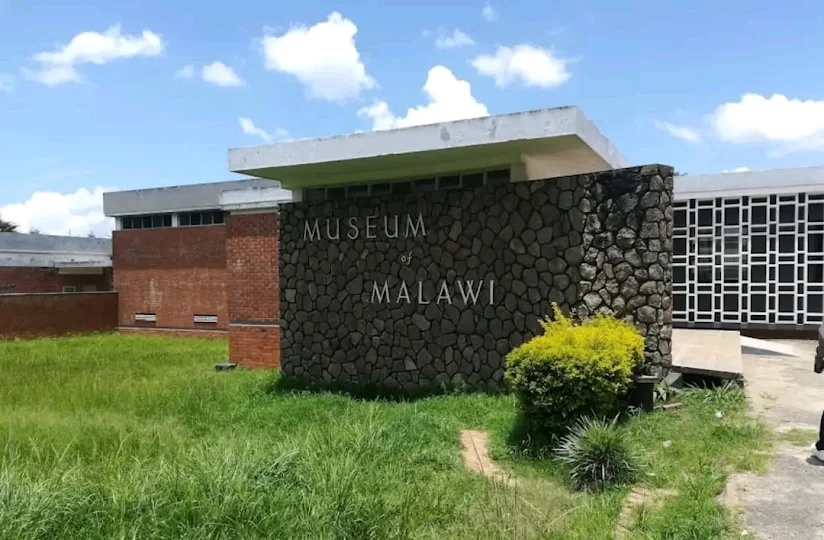
Museum of Malawi
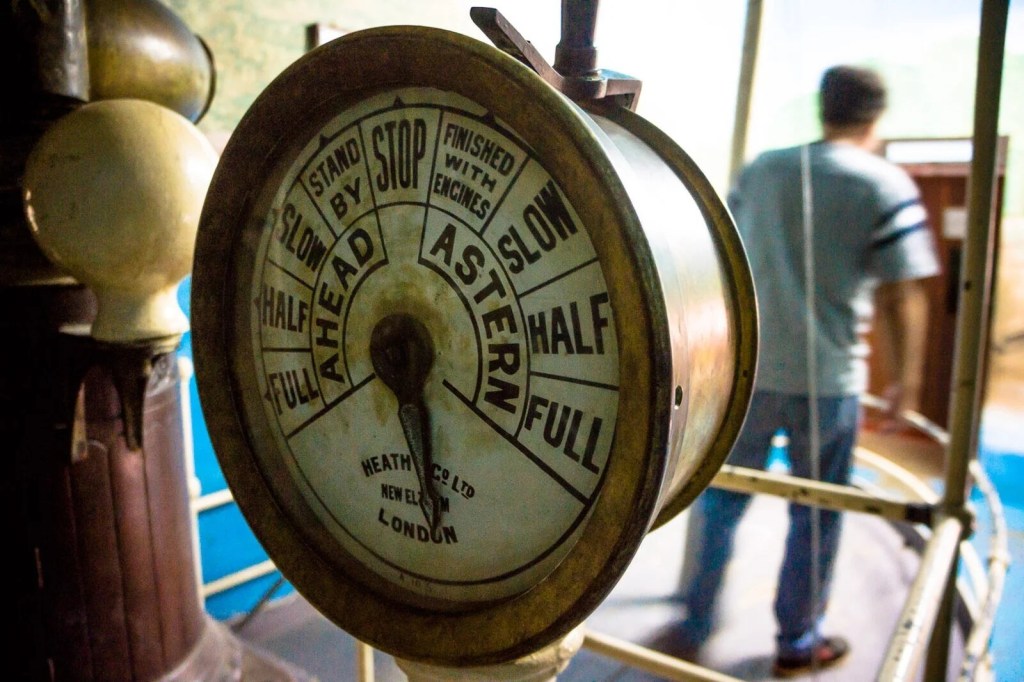
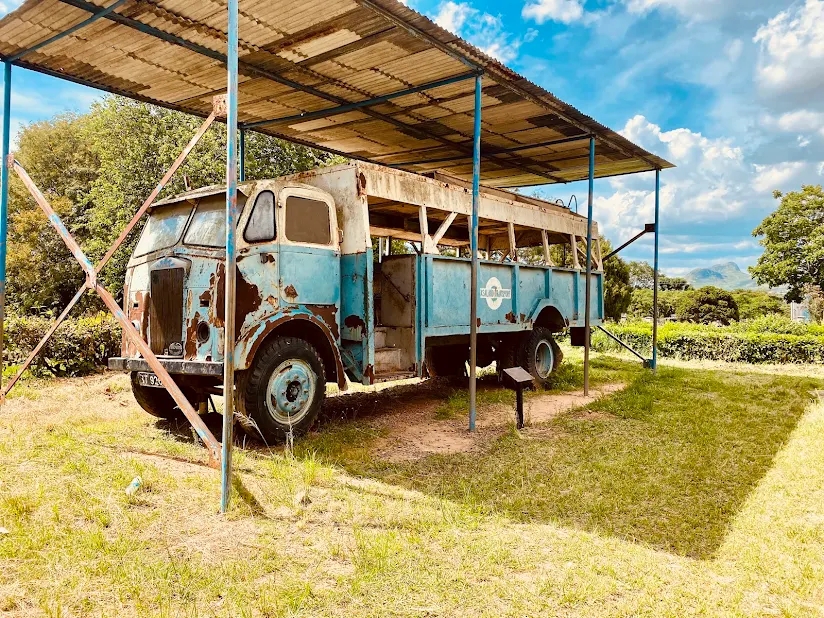
Malawi’s national museum has a few gems, including a royal ceremonial stool dating from the 16th century and a display on Gule Wamkulu dances. Lying in the grounds are a number of beautiful, rusty relics of Malawi’s bygone transport age, including an old locomotive dating to 1902, a decrepit City of Blantyre fire engine and an old Nyasaland bus.


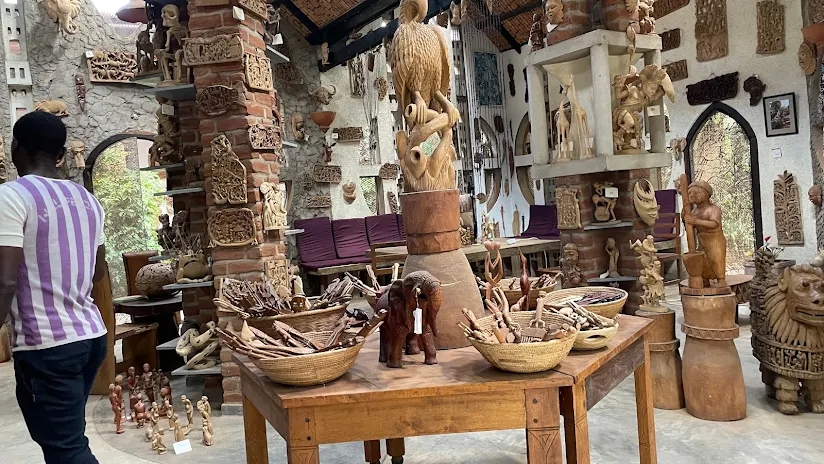
Kungoni Centre of Culture & Art
was established in 1976. It is recognised as a place where the richness of Malawi’s cultural heritage is unveiled. Its goal is to guide Malawians to a deeper understanding of their country and culture. This understanding is crucial as Malawi faces the challenges of globalisation and modernisation.


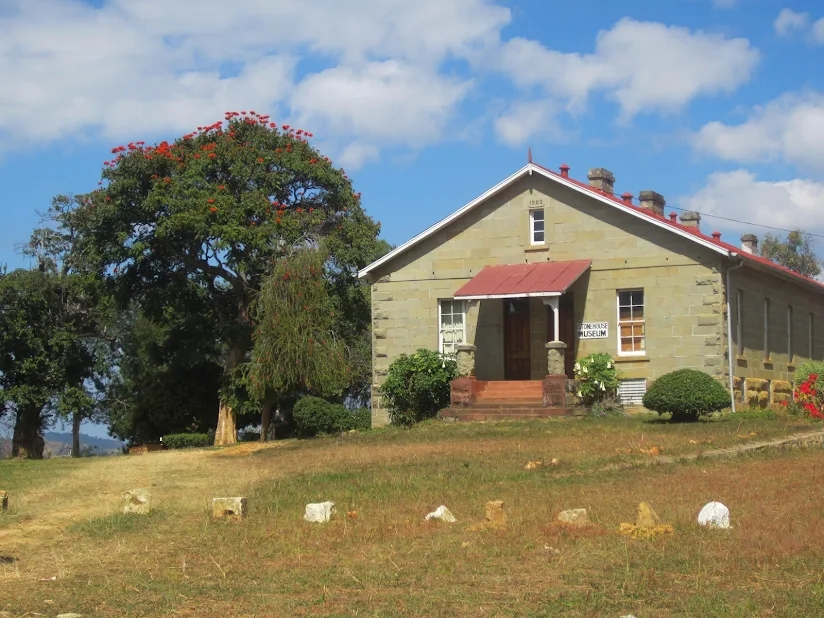
Stone house museum
Located in the former home of Dr. Robert Laws, who served as head of the Livingstonia Mission for more than 50 years, the museum tells of those first missionaries and of the arrival of Europeans in Malawi, then known as Nyasaland.
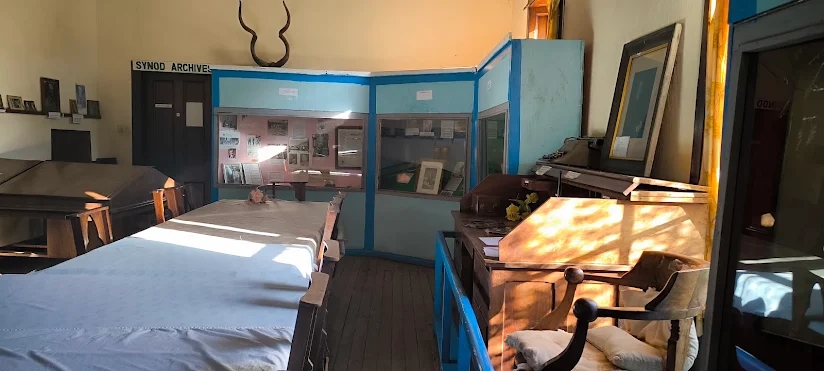
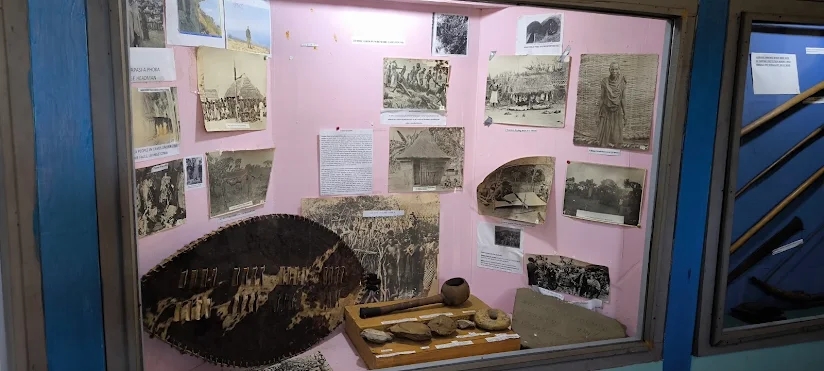
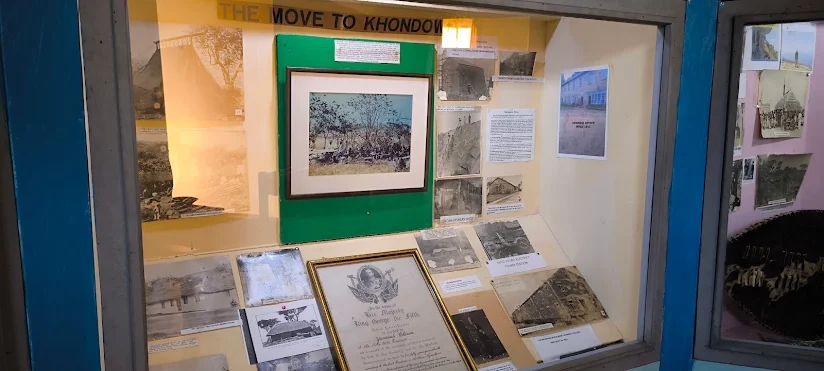
Here you can read Dr Laws’ letters and books, including the old laws of Nyasaland, and peruse black-and-white photos of early missionary life in Livingstonia. Also on display is a collection of original magic-lantern slides, an early anaesthesia machine, an old gramophone and the cloak that Dr Laws used when he was a moderator.

 suzgo chingati